
AI in Everyday Life
 Tayyaba
How Artificial Intelligence Is Changing the Way We Live
Focus Keyword: Artificial Intelligence
Secondary Keywords: AI technology, AI tools, artificial intelligence, AI in daily life, future of AI
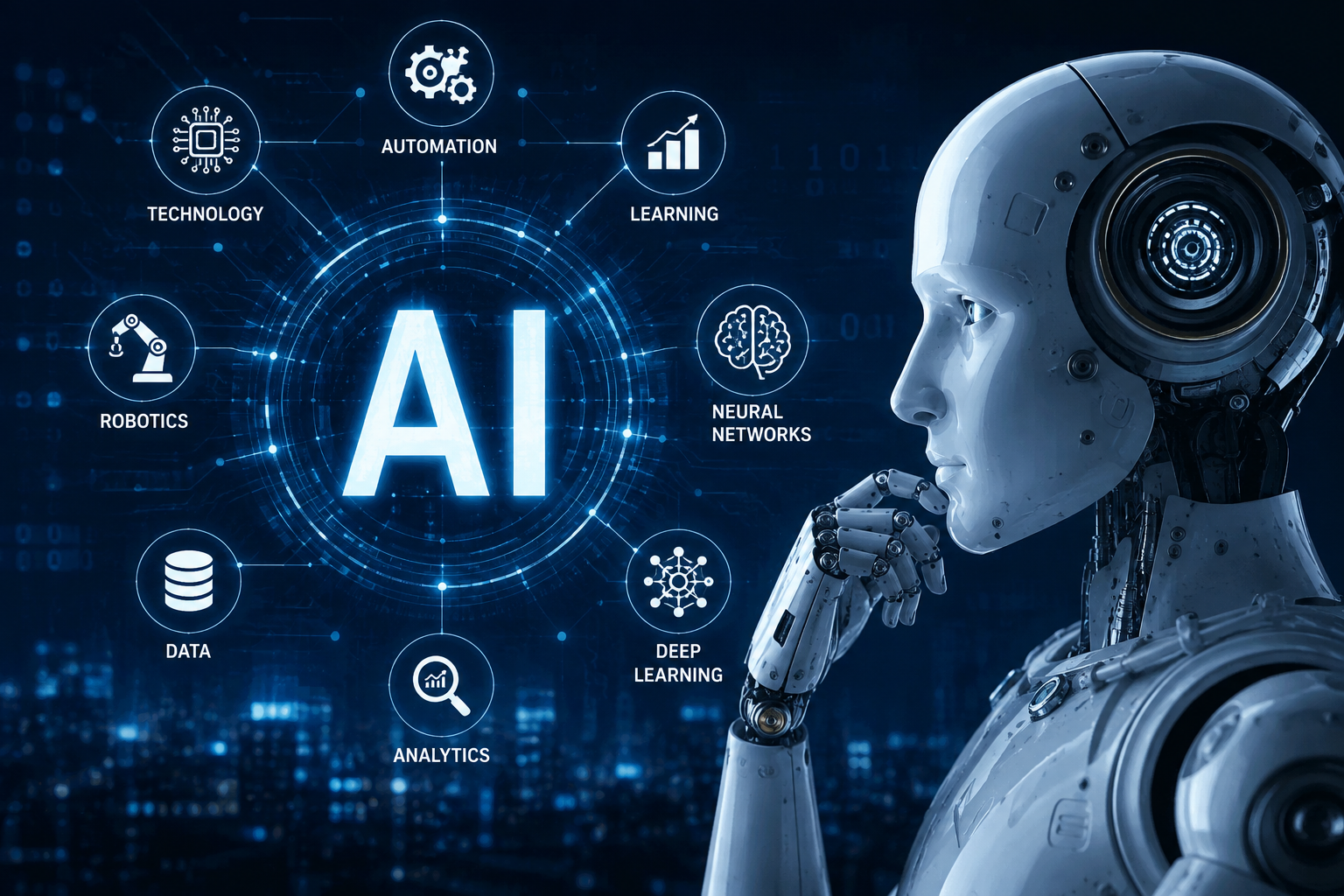
Artificial Intelligence (AI) has quickly become one of the most important technologies in the modern world. From smartphones and search engines to education, business, healthcare, and entertainment, AI is becoming part of everyday life.
You may already use AI without realizing it. Voice assistants, personalized recommendations, spam filters, navigation apps, chatbots, and photo-editing tools are all examples of technologies that can use artificial intelligence.
But what exactly is AI, and how is it changing our daily lives? Let’s explore how this technology works, where it is being used, and what the future may look like.
What Is Artificial Intelligence?
Artificial Intelligence is a technology that allows computer systems to perform tasks that normally require human intelligence.
These tasks can include:
- Understanding language
- Recognizing images
- Finding patterns in data
- Making predictions
- Answering questions
- Recommending content
- Automating repetitive tasks
Modern AI systems can process large amounts of information and identify patterns that would be difficult for humans to analyze manually.
How Is AI Used in Everyday Life?
AI is no longer limited to laboratories or large technology companies. It is now used in many products and services that people interact with every day.
1. AI in Smartphones
Modern smartphones use AI for many different features. Camera applications can automatically recognize scenes, improve images, detect faces, and adjust settings.
AI can also help with:
- Voice recognition
- Predictive text
- Face recognition
- Photo organization
- Battery optimization
- Personalized recommendations
These features make smartphones more convenient and easier to use.
2. AI in Search Engines
Search engines use sophisticated AI systems to understand what users are looking for.
Instead of simply matching individual words, modern search systems can analyze the meaning and context of a query. This helps users find more relevant information.
For example, if someone searches for a solution to a technology problem, AI can help search engines understand the intent behind the query and provide relevant results.
3. AI in Education
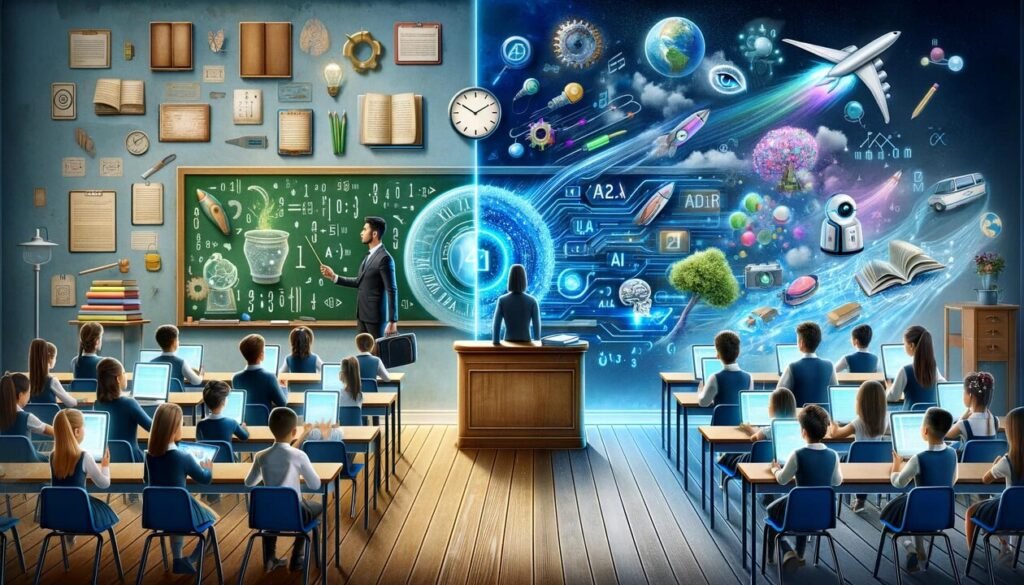
Artificial Intelligence is also changing education.
AI-powered learning platforms can help students practice subjects, receive explanations, and identify areas where they need additional support.
Teachers can also use AI-assisted tools for tasks such as creating learning materials, organizing information, and preparing activities.
However, AI should be used as a learning aid rather than a replacement for genuine understanding and critical thinking.
4. AI in Business
Businesses use AI to automate repetitive processes and analyze information.
Common applications include:
- Customer service chatbots
- Data analysis
- Marketing automation
- Fraud detection
- Product recommendations
- Sales forecasting
- Workflow automation
For small businesses, AI tools can help reduce the time required for routine tasks and allow teams to focus on more important work.
5. AI in Entertainment
Streaming platforms and social media services use recommendation systems to suggest content based on user activity.
For example, an entertainment platform may analyze the types of videos or shows a person interacts with and use that information to recommend similar content.
AI is also being used in areas such as music creation, video editing, gaming, animation, and image generation.
Benefits of Artificial Intelligence
AI can provide several important benefits when used responsibly.
Saves Time
AI can automate repetitive tasks that would otherwise require significant amounts of human effort.
Improves Productivity
AI tools can assist with research, organization, writing, analysis, and other everyday tasks.
Processes Large Amounts of Data
Computers can analyze huge datasets much faster than humans, making AI useful for finding patterns and making predictions.
Creates Personalized Experiences
Many online services use AI to personalize recommendations, search results, advertisements, and content.
Challenges and Risks of AI
Although AI offers many advantages, it also creates important challenges.
Privacy
AI systems may process large amounts of information. Organizations need to handle personal data responsibly and protect user privacy.
Incorrect Information
AI systems can sometimes produce inaccurate or misleading information. Important information should therefore be verified using reliable sources.
Job Changes
Automation may change the way certain jobs are performed. At the same time, AI can create new roles and increase demand for people with technology and AI-related skills.
Bias
AI systems can sometimes reproduce biases present in the data used to train them. Developers need to test systems carefully to reduce unfair outcomes.
What Is the Future of AI?
The future of Artificial Intelligence is likely to involve deeper integration into everyday technology.
AI may become increasingly common in:
- Personal productivity tools
- Smart homes
- Education
- Healthcare
- Transportation
- Cybersecurity
- Software development
- Customer service
- Business operations
Rather than being a technology used separately from everyday products, AI is increasingly becoming a built-in feature of the digital tools people already use.
Should You Start Learning AI?
Yes. You do not necessarily need to become a programmer to understand AI.
Beginners can start by learning:
- What AI and machine learning mean
- How AI tools work
- How to write effective prompts
- How to verify AI-generated information
- How AI is used in different industries
- Basic concepts such as data, models, and automation
Learning these fundamentals can help people make better use of AI tools while understanding their limitations.
Frequently Asked Questions
What is AI in simple words?
AI is technology that enables computers to perform tasks that normally require human intelligence, such as understanding language, recognizing patterns, and making predictions.
Is AI useful for everyday users?
Yes. AI is already used in smartphones, search engines, navigation, entertainment platforms, productivity applications, and many other everyday services.
Will AI replace humans?
AI can automate some tasks, but many jobs require human judgment, creativity, communication, empathy, and decision-making. The impact of AI will vary significantly between industries and occupations.
Is AI difficult to learn?
The basics of AI can be learned by beginners. You can start with simple concepts and gradually explore more advanced topics.
Final Thoughts
Artificial Intelligence is changing the way people interact with technology. From smartphones and search engines to education and business, AI is becoming an increasingly important part of modern digital life.
The most useful approach is not simply to use AI, but to understand how it works, recognize its limitations, and use it responsibly.
As AI technology continues to develop, learning the fundamentals today can help you make smarter decisions about the technology of tomorrow.
Stay connected with TechNexa for the latest AI news, technology guides, useful tools, and practical tips.
SEO Meta Description
Discover how Artificial Intelligence is changing everyday life, from smartphones and search engines to education, business, entertainment, and the future of technology.