

Digital Eye: 7 Essential Tips to Protect Your Eyes in the Digital World
Focus Keyword: Digital Eye
SEO Title: Digital Eye: 7 Essential Tips to Protect Your Eyes
URL Slug: digital-eye
Meta Description: Discover how digital eye technology works, common screen-related eye problems, and 7 essential tips to protect your eyes while using digital devices.
Introduction
In today’s technology-driven world, digital screens are part of our everyday lives. From smartphones and laptops to tablets and smart TVs, we spend hours interacting with digital devices.
While technology makes communication, learning, and entertainment easier, prolonged screen use can sometimes lead to eye discomfort, dryness, headaches, and temporary blurred vision.
Understanding digital eye health is important for anyone who regularly uses electronic devices.
In this guide, we will explore what a digital eye means, how digital screens affect our eyes, common symptoms of digital eye strain, and practical ways to maintain healthy screen habits.
Table of Contents
- What Is a Digital Eye?
- How Does Digital Eye Technology Work?
- Benefits of Digital Eye Technology
- Common Digital Eye Problems
- Digital Eye Strain: Causes and Symptoms
- When Should You See an Eye Doctor?
- 7 Essential Tips to Protect Your Eyes from Digital Screens
- Frequently Asked Questions
- Conclusion
1. What Is a Digital Eye?
The term digital eye can refer to technology related to digital vision, artificial intelligence, smart cameras, and electronic vision systems.
In everyday conversations, it is also associated with eye health in the digital age, particularly the effects of prolonged screen use.
Modern digital technologies can help computers and smart devices process visual information. Examples include AI-powered image recognition, facial recognition systems, and advanced camera sensors.
However, spending extended periods looking at digital screens may contribute to digital eye strain, also known as computer vision syndrome.
Digital eye health focuses on understanding these effects and developing healthy habits when using electronic devices.
2. How Does Digital Eye Technology Work?
Digital eye technology combines cameras, sensors, software, and artificial intelligence to process visual information.
Different technologies perform different functions.
Artificial Intelligence and Computer Vision
Computer vision allows machines to analyze images and recognize objects, patterns, and visual information.
For example, AI-powered systems can identify objects in photographs, assist with image processing, and support certain accessibility features.
Digital Cameras and Sensors
Modern cameras use image sensors to capture light and convert it into digital information.
Smartphones, security cameras, and other electronic devices use these sensors to produce images and videos.
Smart Vision Systems
Some advanced systems use cameras and computer algorithms to interpret visual surroundings.
These technologies are used in areas such as robotics, accessibility tools, and automated image analysis.
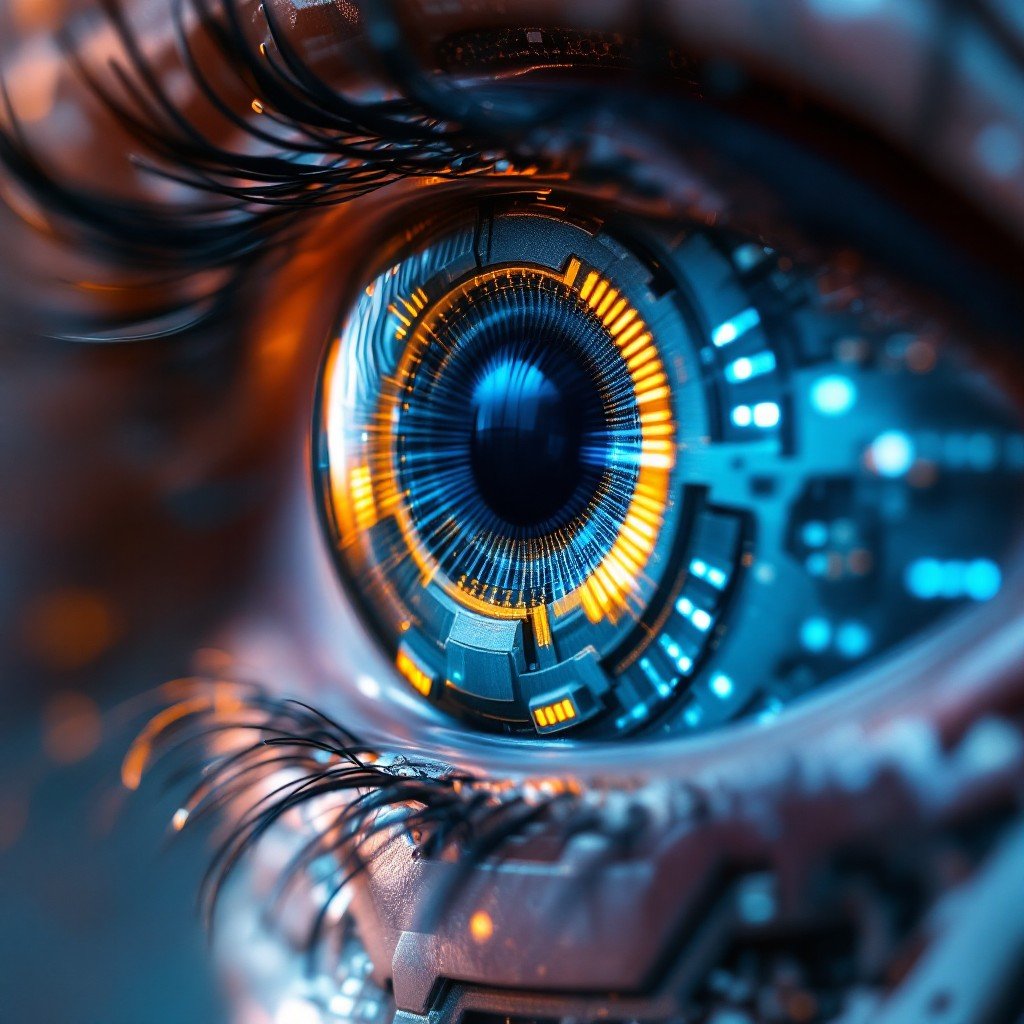
Image suggestion: Add your futuristic cybernetic Digital Eye animation here.
Image Alt Text: Digital eye artificial intelligence and futuristic vision technology
3. Benefits of Digital Eye Technology
Digital vision technologies are transforming how people interact with electronic devices.
Some important applications include:
Improved Accessibility
Screen readers, text recognition, and visual assistance tools can help people access digital information.
Advanced Image Recognition
AI-powered computer vision can identify objects and interpret visual information in supported applications.
Smart Security Systems
Digital cameras and image-processing technologies support modern security and monitoring systems.
Better Digital Experiences
Modern display technologies and visual interfaces make digital information easier to interact with.
These benefits relate to technology applications rather than medical improvements to human eyesight.
4. Common Digital Eye Problems
Prolonged screen use can contribute to temporary eye discomfort.
Some commonly reported symptoms include:
- Dry or irritated eyes
- Tired eyes after extended screen use
- Temporary blurred vision
- Headaches
- Difficulty focusing after long periods of screen activity
- Neck and shoulder discomfort associated with poor posture
These symptoms can have different causes. Persistent or worsening symptoms should be assessed by an eye-care professional.
5. Digital Eye Strain: Causes and Symptoms
Digital eye strain refers to eye and vision discomfort associated with prolonged use of computers, smartphones, tablets, and other digital displays.
Why Does Digital Eye Strain Happen?
Several factors may contribute to digital eye strain.
Reduced blinking: People often blink less frequently when concentrating on digital screens, which can contribute to dry eyes.
Long periods of close-up focusing: Extended near work can contribute to visual fatigue.
Screen glare: Reflections and uncomfortable lighting can make viewing more difficult.
Poor posture: Incorrect screen positioning may contribute to neck and shoulder discomfort.
Uncorrected vision problems: Existing vision issues can make prolonged screen activities more uncomfortable.
Common Symptoms
Symptoms may include eye fatigue, dryness, irritation, headaches, and temporary difficulty focusing.
Taking regular breaks and maintaining a comfortable workstation can help reduce discomfort.
6. When Should You See an Eye Doctor?
Although occasional eye fatigue can happen after extended screen use, certain symptoms deserve professional attention.
Consider scheduling an eye examination if you experience:
- Persistent blurred vision
- Frequent headaches associated with visual activities
- Ongoing eye discomfort or dryness
- Difficulty focusing on objects
- Symptoms that continue despite taking screen breaks
- Changes in your usual vision
Seek prompt medical attention for sudden vision changes, severe eye pain, or sudden loss of vision.
An optometrist or ophthalmologist can assess your symptoms and recommend appropriate care.
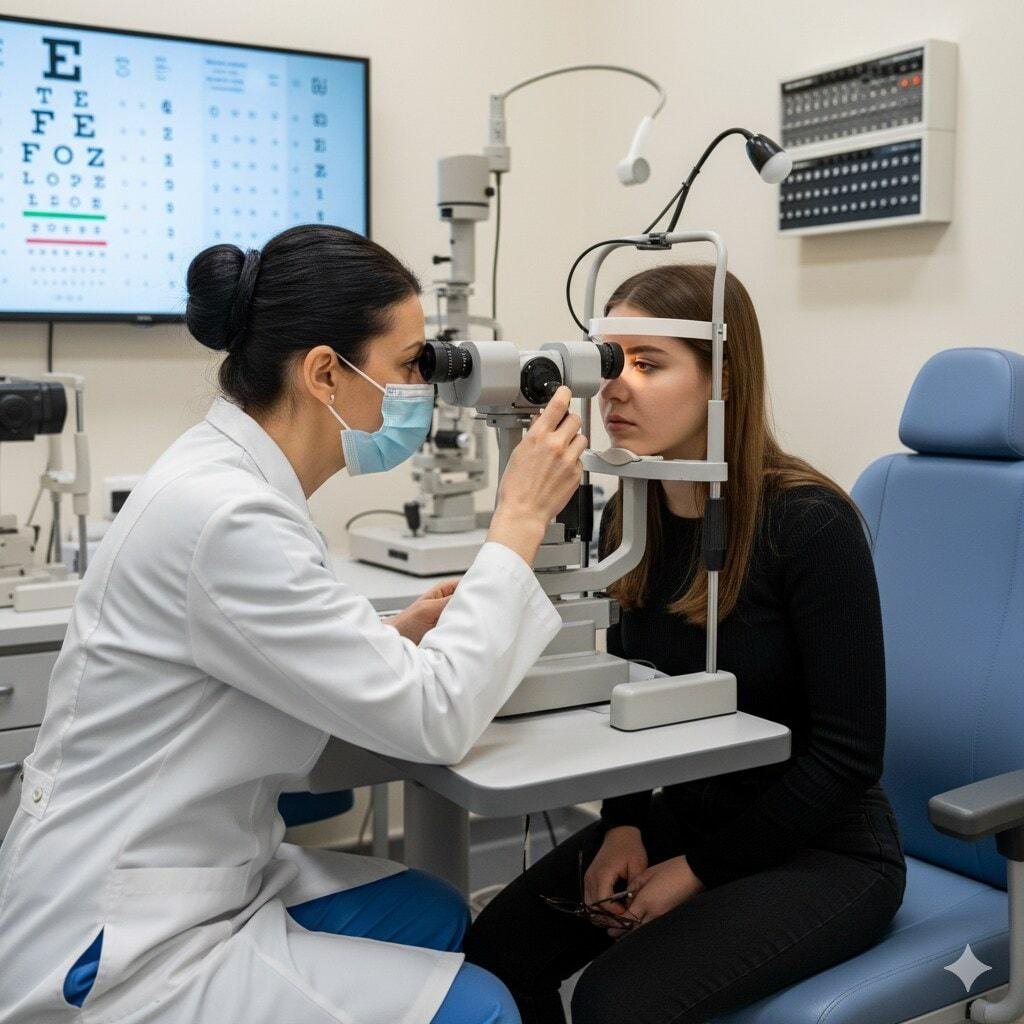
Image suggestion: Add a professional photograph of an eye doctor examining a patient.
Image Alt Text: Eye doctor examining a patient during a professional eye examination
7. 7 Essential Tips to Protect Your Eyes from Digital Screens
Healthy screen habits can make digital activities more comfortable.
1. Follow the 20-20-20 Rule
After every 20 minutes of screen use, look at something approximately 20 feet away for at least 20 seconds.
This simple habit encourages regular breaks from close-up focusing.
2. Blink Regularly
Remember to blink naturally while working on computers or using smartphones.
Blinking helps spread tears across the surface of the eyes.
3. Adjust Your Screen Brightness
Set your display brightness to a comfortable level that suits your surrounding lighting.
Avoid excessive glare and reflections.
4. Maintain a Comfortable Viewing Distance
Position your computer screen approximately an arm’s length away when practical.
Keep the screen slightly below eye level to support a comfortable viewing position.
5. Take Regular Screen Breaks
Stand up, stretch, and move away from your screen periodically.
Short breaks can also help reduce discomfort associated with prolonged sitting.
6. Improve Your Workspace Lighting
Use comfortable room lighting and reduce reflections on your display.
Avoid working in conditions where the screen is significantly brighter than the surrounding environment.
7. Schedule Regular Eye Examinations
Routine eye examinations help monitor vision and identify potential eye-health concerns.
Ask an eye-care professional how frequently you should have your eyes checked.
Image suggestion: Add an infographic showing healthy computer-screen habits.
Image Alt Text: Digital eye care tips for healthy screen use
8. Frequently Asked Questions
What is digital eye strain?
Digital eye strain is eye or vision discomfort associated with prolonged use of computers, smartphones, tablets, and other digital screens.
Can using a smartphone cause eye strain?
Extended smartphone use may contribute to eye fatigue, dryness, and temporary focusing discomfort, particularly when users take few breaks.
What is the 20-20-20 rule?
The 20-20-20 rule recommends looking at an object approximately 20 feet away for 20 seconds after every 20 minutes of screen use.
Do blue-light glasses prevent digital eye strain?
Evidence that blue-light filtering glasses prevent digital eye strain is limited. Comfortable screen positioning, regular breaks, and appropriate vision correction are practical steps to consider.
How can I reduce digital eye discomfort?
Take regular screen breaks, blink naturally, adjust screen brightness, reduce glare, and maintain a comfortable viewing distance.
If symptoms persist, consult an eye-care professional.
When should I visit an eye doctor?
Arrange an eye examination for persistent discomfort, frequent headaches, or ongoing vision changes. Sudden vision loss or severe eye pain requires prompt medical attention.
If you want to learn more about protecting your digital devices, read our complete guide on <a href=”https://technexa.blog/cybersecurity/”>Cybersecurity and Online Safety</a>.Digital Eye
9. Conclusion
Digital technology has transformed how we work, communicate, learn, and access information.
However, spending long periods in front of screens can sometimes contribute to eye discomfort and visual fatigue.
Understanding digital eye strain and adopting healthy screen habits can make everyday technology use more comfortable.
Remember to take regular breaks, blink naturally, adjust your display settings, and seek professional advice when symptoms persist.
At TechNexa, we bring you practical technology news, helpful guides, and easy-to-understand information to make your digital life smarter and more convenient.
1. Long Screen Time
Screen ko continuously dekhte rehna aankhon ko rest ka kam mauqa deta hai. Long study sessions, gaming sessions aur office work mein ye issue zyada noticeable ho sakta hai.
2. Reduced Blinking
Jab hum screen par concentrate karte hain, to aksar blinking kam ho jati hai. Is se eyes ki surface dry ya uncomfortable feel ho sakti hai.
3. Poor Lighting
Bohat bright room, very dim lighting ya screen par reflections aur glare visual discomfort increase kar sakte hain.
4. Incorrect Screen Distance
Screen ko bohat qareeb rakhna ya uncomfortable viewing position mein use karna eye aur neck strain ko contribute kar sakta hai.
5. Poor Posture
Laptop ya monitor ko incorrect height par rakhne se neck aur shoulders par extra stress aa sakta hai.
Symptoms of Digital Eye Strain
Digital eye strain har person mein different tarah se feel ho sakta hai.
Eye-Related Symptoms
- Tired eyes
- Dryness
- Watery eyes
- Blurred vision
- Burning or irritation
- Difficulty focusing
Other Symptoms
- Headaches
- Neck pain
- Shoulder discomfort
- Increased sensitivity to light
Agar symptoms frequently occur kar rahe hon ya screen use ke baghair bhi continue rahen, to eye-care professional se advice lena better hai.
How to Prevent Digital Eye Strain
Follow the 20-20-20 Rule
Ek popular technique 20-20-20 rule hai:
Har 20 minutes ke baad, approximately 20 feet door kisi object ko 20 seconds ke liye dekhein.
Ye regular screen breaks lene ki habit develop karne mein help kar sakta hai.
Adjust Your Screen Brightness
Screen brightness ko room ki lighting ke according comfortable level par set karein. Bohat bright ya extremely dim screen avoid karna useful ho sakta hai.
Reduce Screen Glare
Windows ke direct sunlight, overhead lights aur other reflections monitor par glare create kar sakte hain. Screen ki position adjust karna glare ko reduce karne mein help kar sakta hai.
Remember to Blink
Screen par focus karte waqt consciously blink karna eyes ko comfortable rakhne mein help kar sakta hai.
Maintain a Comfortable Viewing Distance
Monitor ko aisi position par rakhein jahan aapko text read karne ke liye continuously forward lean na karna pade.
Take Regular Breaks
Long uninterrupted screen sessions ke bajaye regular short breaks lena digital eye strain ko manage karne mein helpful ho sakta hai.
Digital Eye Strain and Smartphones
Smartphones ki small screens ki wajah se users aksar text ko close distance par read karte hain. Social media, videos, messaging aur gaming ke prolonged sessions eye fatigue ko contribute kar sakte hain.
Phone use karte waqt:
- Regular breaks lein
- Text size comfortable rakhein
- Screen ko excessively close na rakhein
- Dark or poorly lit environments mein long sessions avoid karein
- Comfortable brightness maintain karein
Digital Eye Strain and Children
Children bhi smartphones, tablets, computers aur gaming devices use karte hain. Parents unki screen habits ko healthy routine ke saath balance karne mein help kar sakte hain.
Homework ya educational screen use ke darmiyan breaks lena aur outdoor activities ke liye time rakhna useful hai.
When Should You See an Eye Doctor?
For more information about maintaining healthy vision and protecting your eyes, visit the <a href=”https://www.nei.nih.gov/learn-about-eye-health“>National Eye Institute’s official eye health resources</a>.https://www.nei.nih.gov/learn-about-eye-health
