




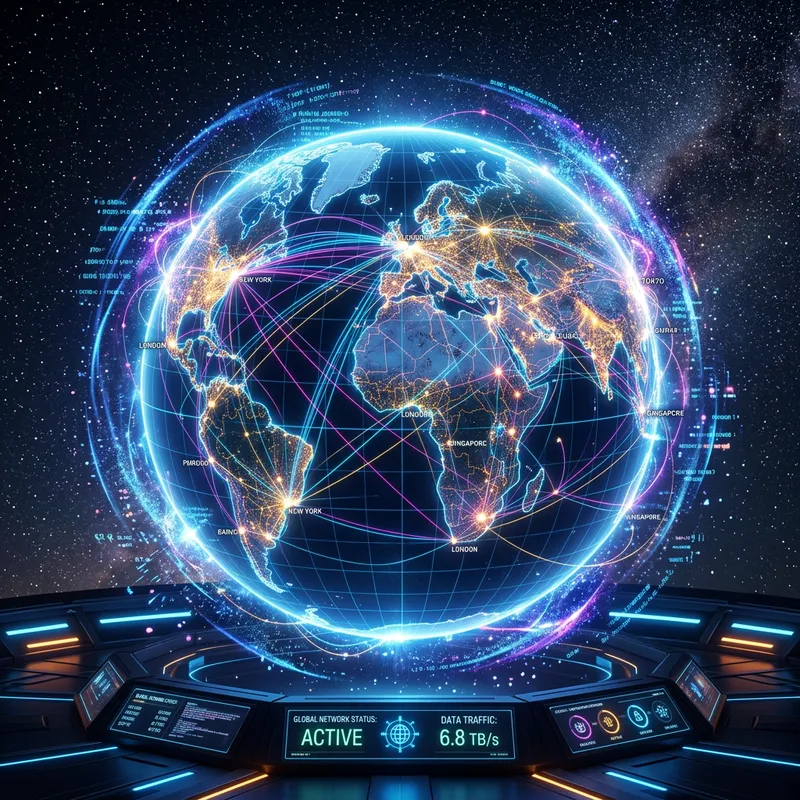
Imagine a world where cities respond to traffic in real time, homes manage energy intelligently, doctors use AI to support earlier diagnoses, and clean power helps communities become more resilient. This is the Future World: not a single invention or a guaranteed prediction, but a collection of technologies and choices shaping how people may live, work, learn, and connect.
What Does the Future World Look Like?
The future is being built through advances in artificial intelligence, robotics, connectivity, biotechnology, clean energy, and materials science. Some applications are already part of everyday life; others remain experimental. The important question is not only what technology can do, but how people design it to be safe, useful, affordable, and accessible.

1. Artificial Intelligence as a Daily Assistant
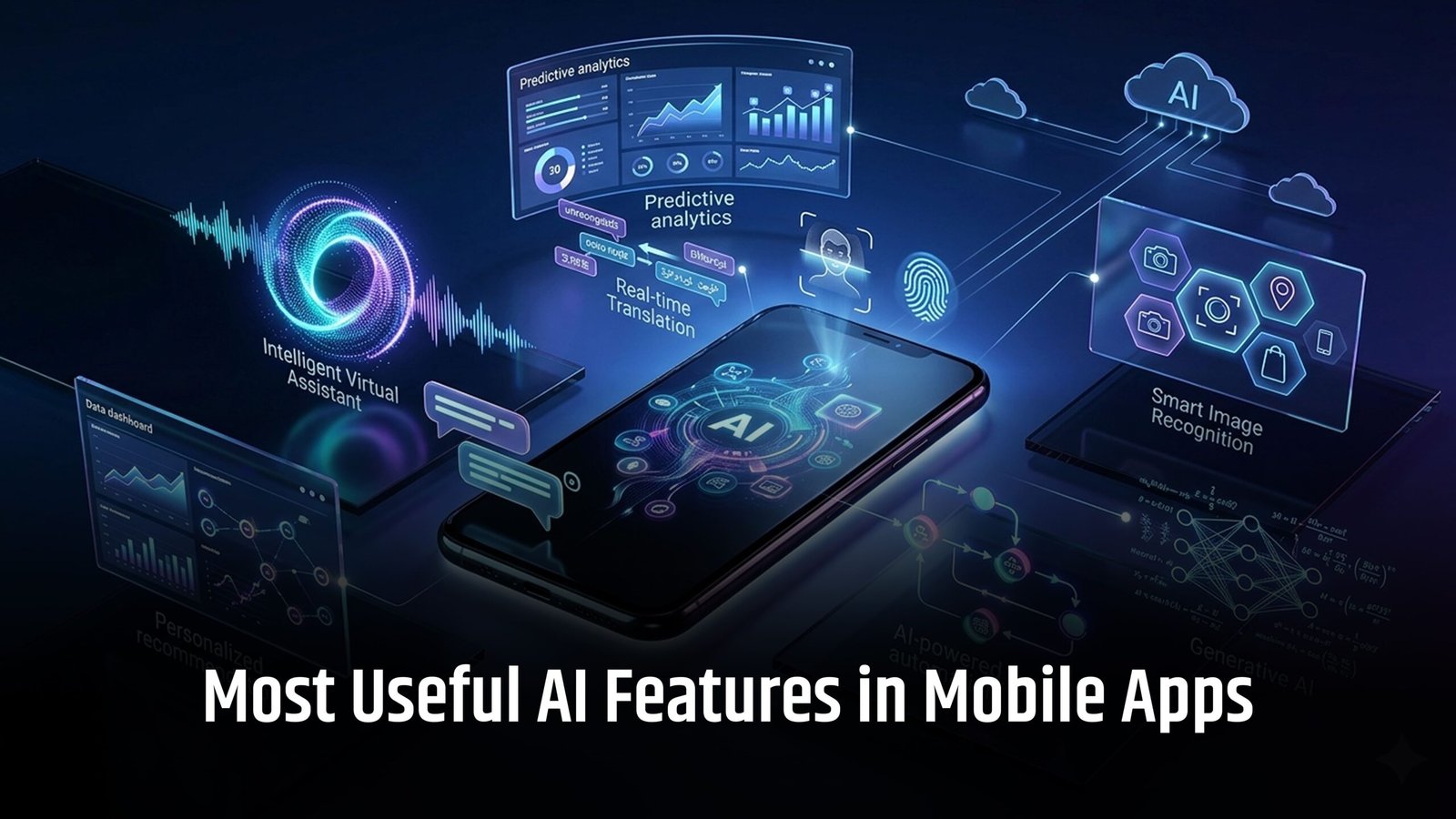
AI systems can help people summarize information, translate languages, identify patterns, draft content, and automate repetitive tasks. In the future, AI may become more deeply integrated into education, customer support, accessibility tools, research, and workplace software. Human oversight will remain important because AI can make mistakes, reflect biases, or produce confident but incorrect answers.
2. Smart Cities and Connected Homes
Connected sensors and software can help cities monitor traffic, water networks, air quality, and energy use. At home, smart thermostats, lighting, and appliances can improve convenience and help reduce waste when configured thoughtfully. These systems also create responsibilities: secure passwords, software updates, privacy controls, and reliable fallback options matter as much as convenience.

3. Clean Energy and Sustainable Technology
Solar and wind power, improved batteries, modern electricity grids, and energy-efficient buildings are important parts of the transition toward lower-emission energy systems. Progress depends on infrastructure, materials, policy, affordability, and responsible recycling—not just new gadgets. Practical improvements such as efficient appliances and better insulation can also make a meaningful difference.
4. The Future of Transportation
Electric vehicles, better public transit, navigation systems, and traffic coordination are changing transportation. Driver-assistance features can support drivers, but they do not remove the need for attention or safe driving. Fully automated transport remains dependent on technical validation, regulation, infrastructure, and real-world safety performance.
5. Healthcare, Learning, and Work
Digital health tools can help people track information and communicate with care teams, while AI-assisted research may support scientists and clinicians. In education, adaptive learning software can offer practice at different levels, but teachers, critical thinking, and trustworthy sources remain essential. At work, automation is likely to change tasks and skills; lifelong learning and human collaboration will continue to matter.
Opportunities and Challenges of the Future World
Technology can expand access to information, improve efficiency, and help solve complex problems. It can also introduce privacy risks, cybersecurity threats, unequal access, job disruption, and environmental costs. Responsible progress requires transparent design, strong security, digital literacy, inclusive access, and clear accountability when systems cause harm. For a practical framework on managing AI risks, read the NIST AI Risk Management Framework.
How to Prepare for the Future
- Build digital literacy: learn how to evaluate online information and AI-generated answers.
- Protect accounts with unique passwords, multifactor authentication, and timely updates.
- Develop adaptable skills such as communication, problem-solving, creativity, and data literacy.
- Use connected devices with privacy and security settings enabled.
- Follow credible technology reporting and distinguish proven products from prototypes or predictions.
Watch: A Short TechNexa Future World Video
Explore this short visual introduction to the technology themes discussed above.
Final Thoughts
The Future World will be shaped by people as much as by machines. AI, connected infrastructure, clean energy, and digital services offer possibilities, but their benefits depend on thoughtful decisions, reliable evidence, and responsible implementation. Keep learning, stay curious, and use technology in ways that improve everyday life.
For more practical technology explainers, explore TechNexa’s latest technology news and guides.



Leave a comment